
How personal sizing works.
The right size depends on more than measurements.
Zizr brings product, fit and preference closer to the size decision, so recommendations can feel more relevant in the moment where shoppers choose.
It starts with the product.
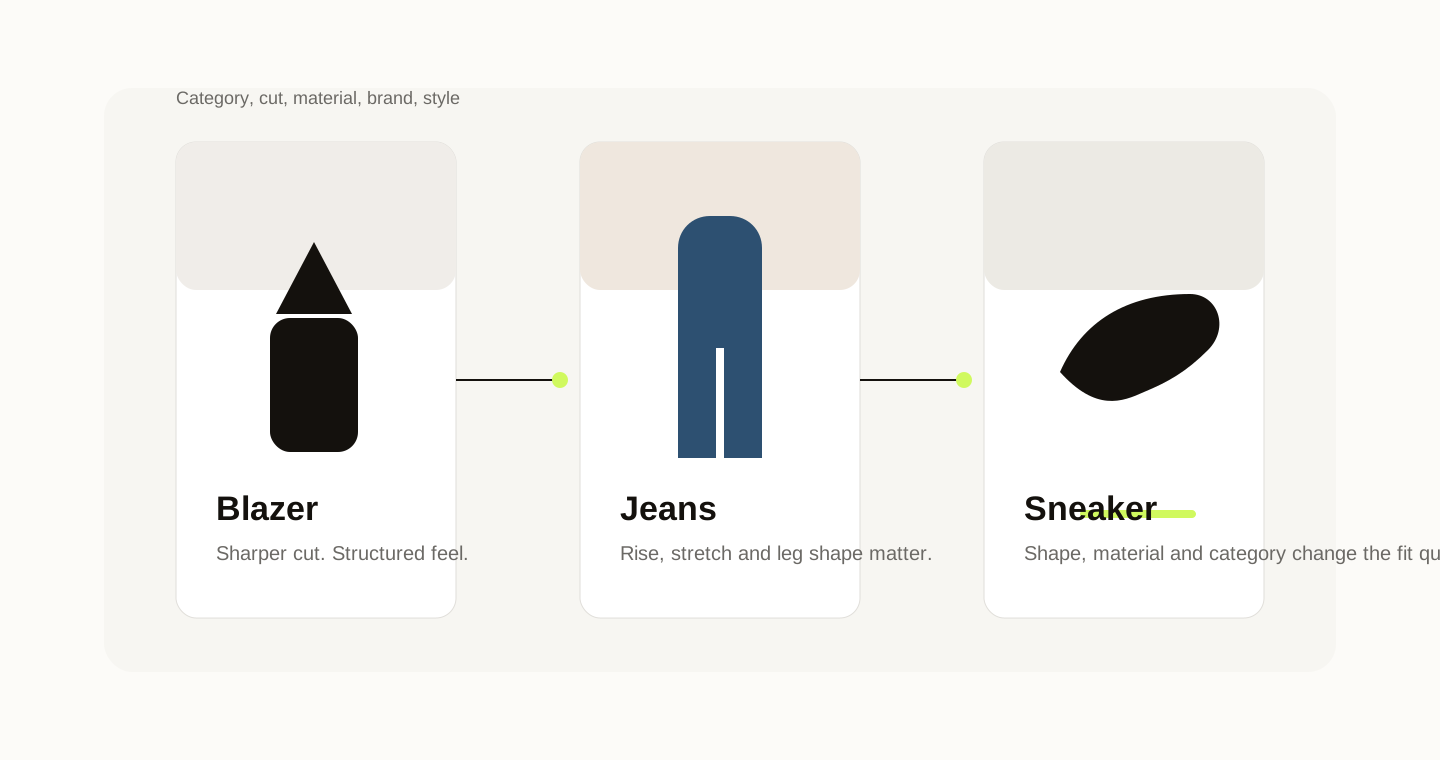
A blazer, a sneaker, a dress and a pair of jeans do not ask the same sizing question.
Category, cut, material, brand and style all affect how a size feels.
That is why the recommendation has to stay close to the product being considered.
Then comes fit.
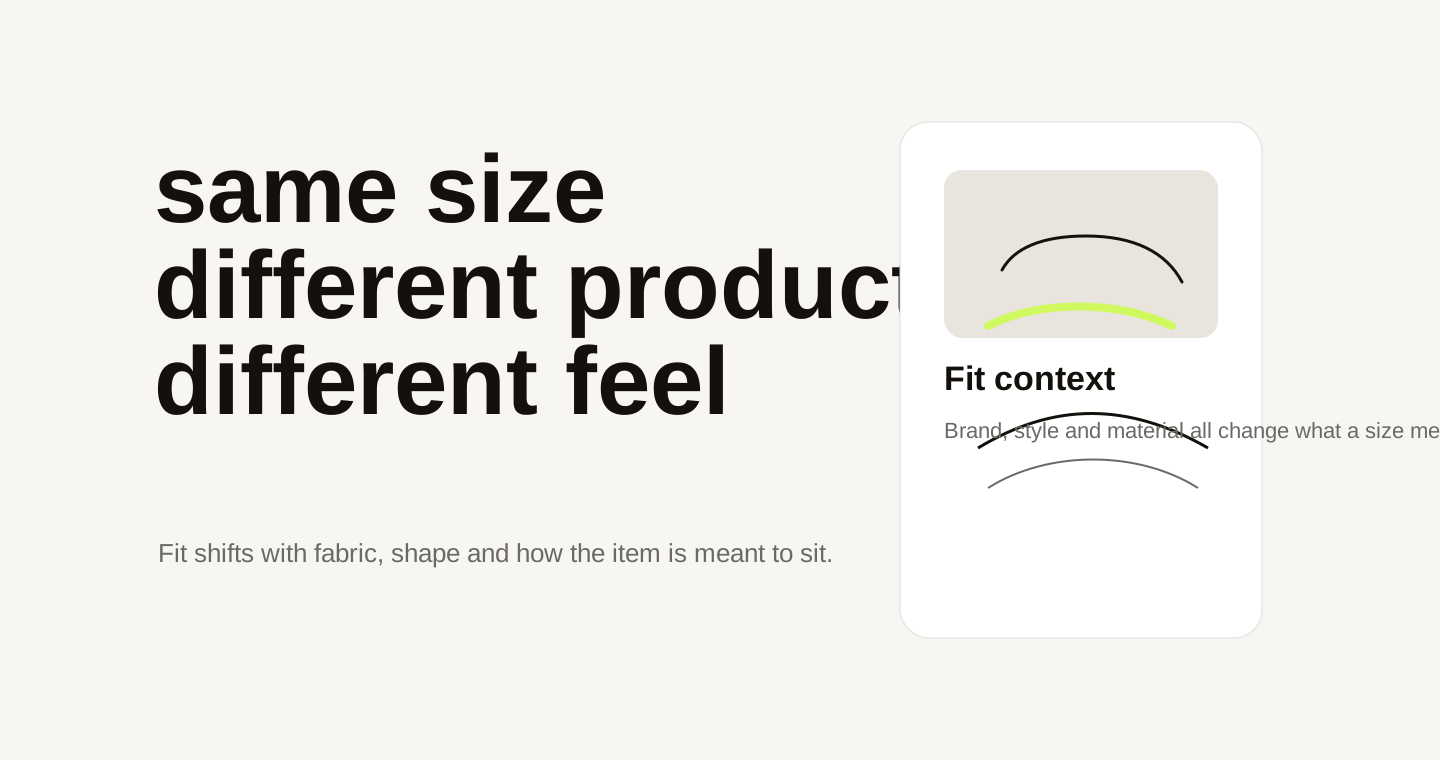
The same size can feel different from one product to another.
A medium is not always the same medium. A size 39 is not always the same size 39.
Fit changes with the product, the brand, the style and how the item is meant to sit.
And preference.
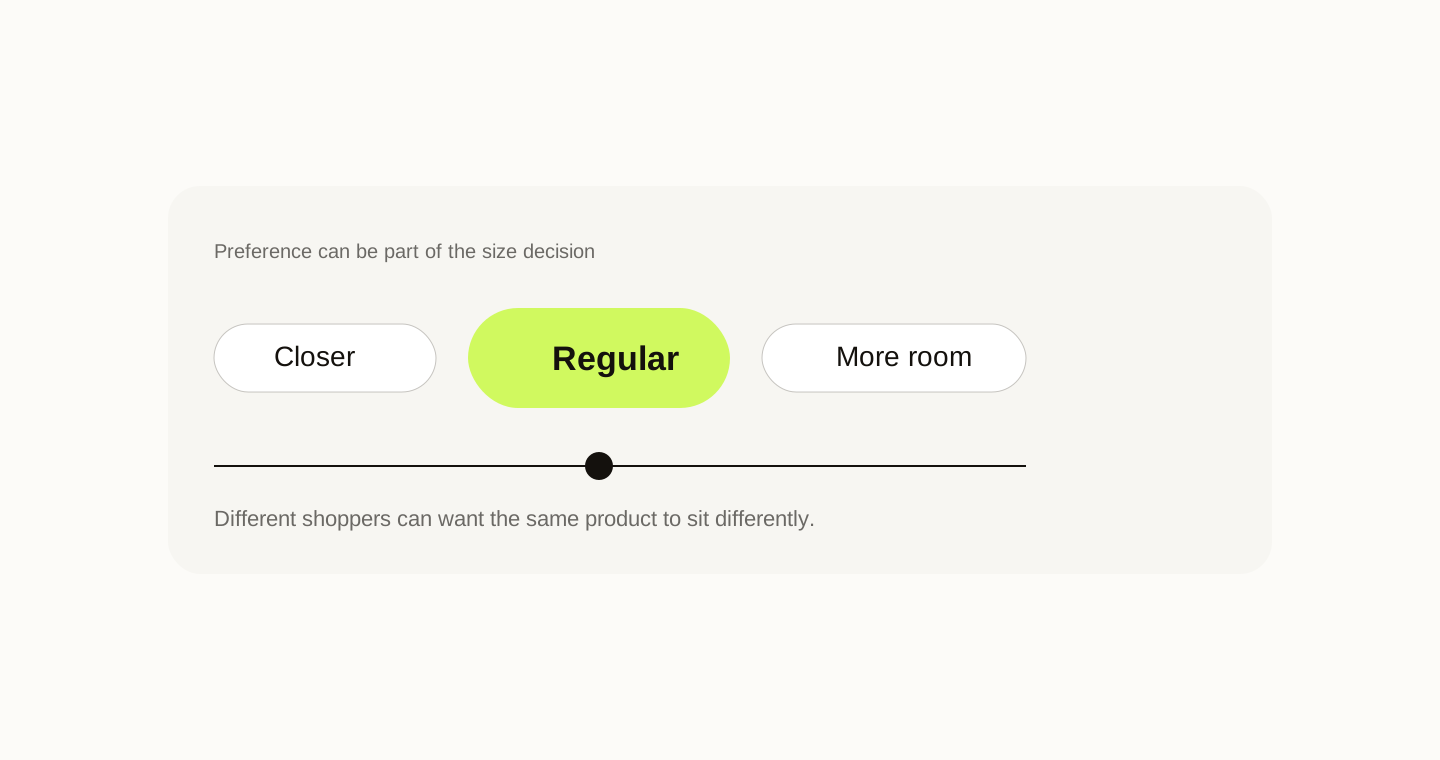
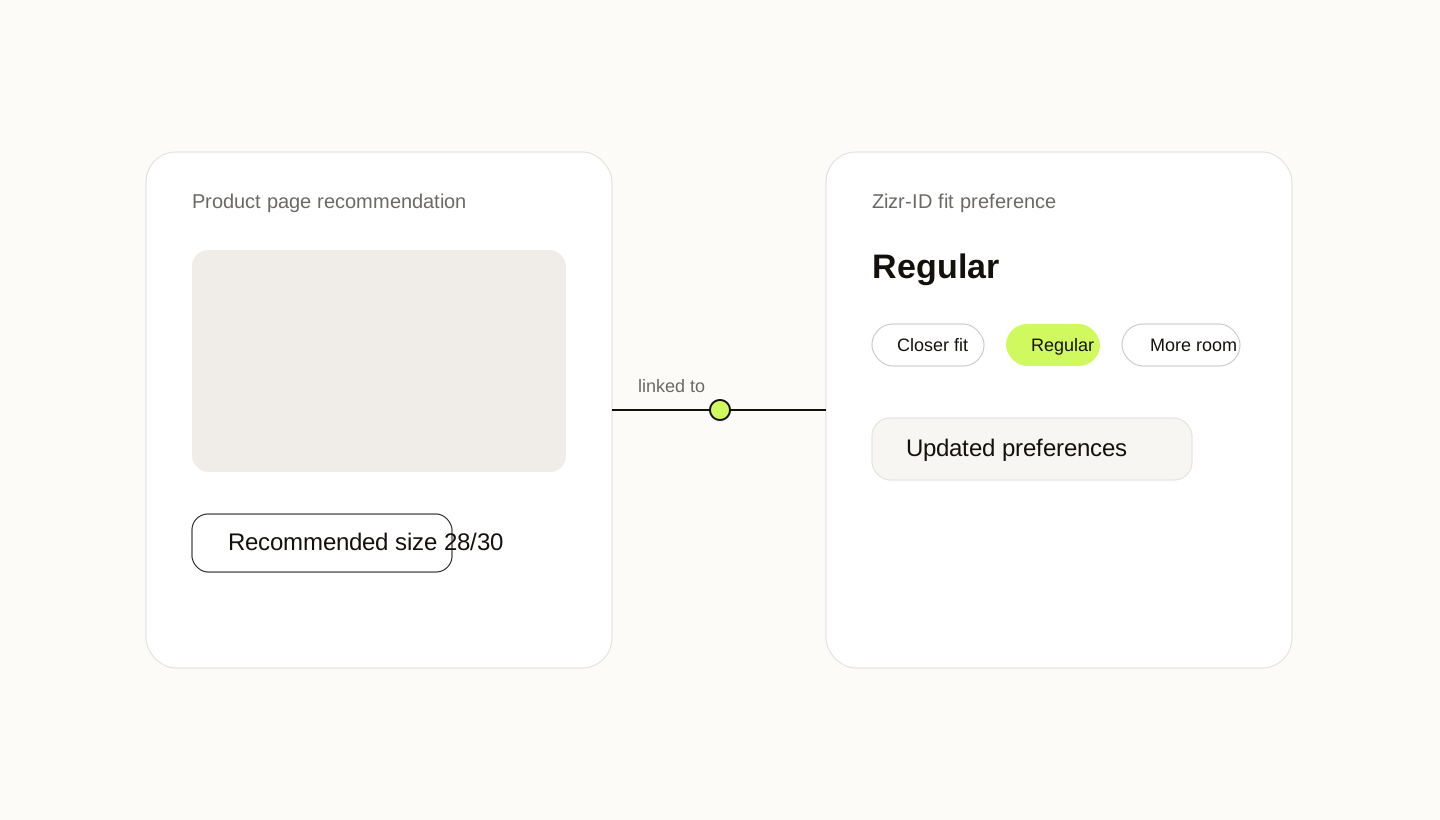
Two shoppers can look at the same product and want it to fit differently.
One may prefer it closer. Another may want more room.
That preference matters. It is part of the size decision.
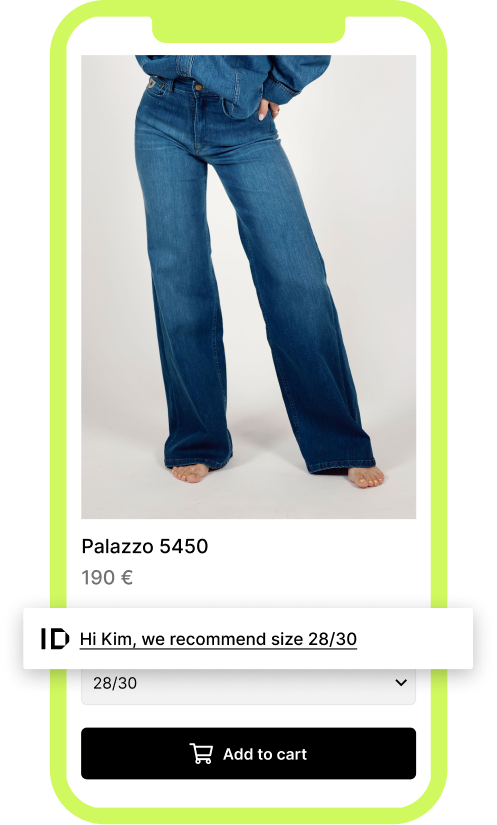
Zizr appears where the decision happens.
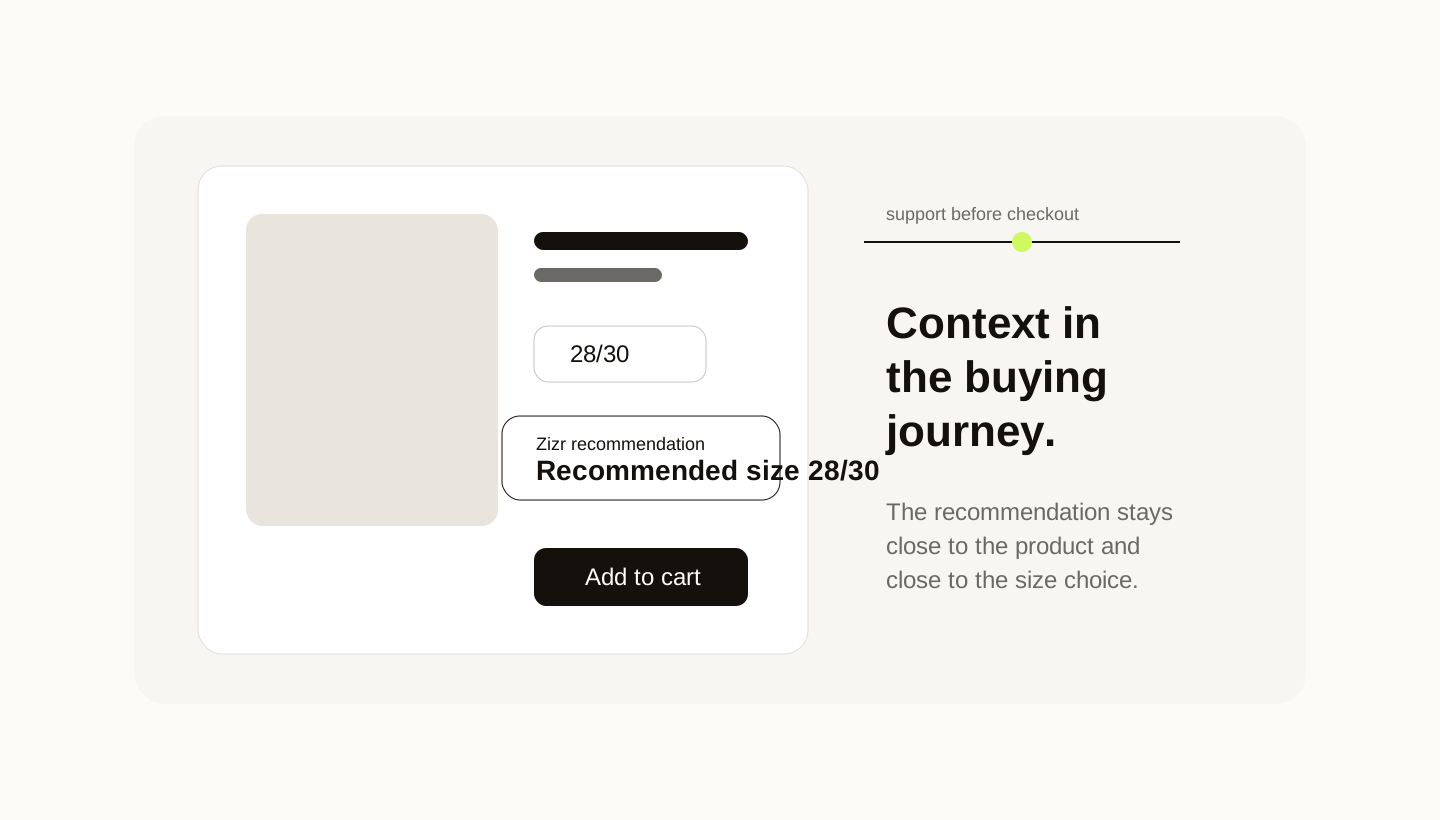
The recommendation sits close to the product, close to the size choice and before add to cart.
The goal is not to make shopping heavier. It is to make the size decision easier to trust.
For stores, it adds context to the buying journey.
Zizr helps online fashion stores support the customer at one of the most important decision points on the product page.
The size recommendation becomes part of the shopping experience, not a separate task the customer has to solve alone.
That can mean less hesitation, a clearer product-page experience and better support before checkout.
For shoppers, it becomes more personal over time.
A Zizr-ID helps connect recommendations to fit preferences and shopping experience.
As the shopper tunes their fit profile, recommendations can become more relevant to how they prefer products to sit.
The experience stays simple: choose, use, tune.
- Choose
- Use
- Tune
Personal should not feel invasive.
Zizr is not built to make shoppers feel measured.
It is not a static size chart with a new label.
It does not add technical language to a personal sizing problem.
And it is not only a return tool.
Zizr is built for a more useful size decision: closer to the product, more connected to preference and easier for the shopper to trust.
Built in Norway. Used in real shopping journeys.
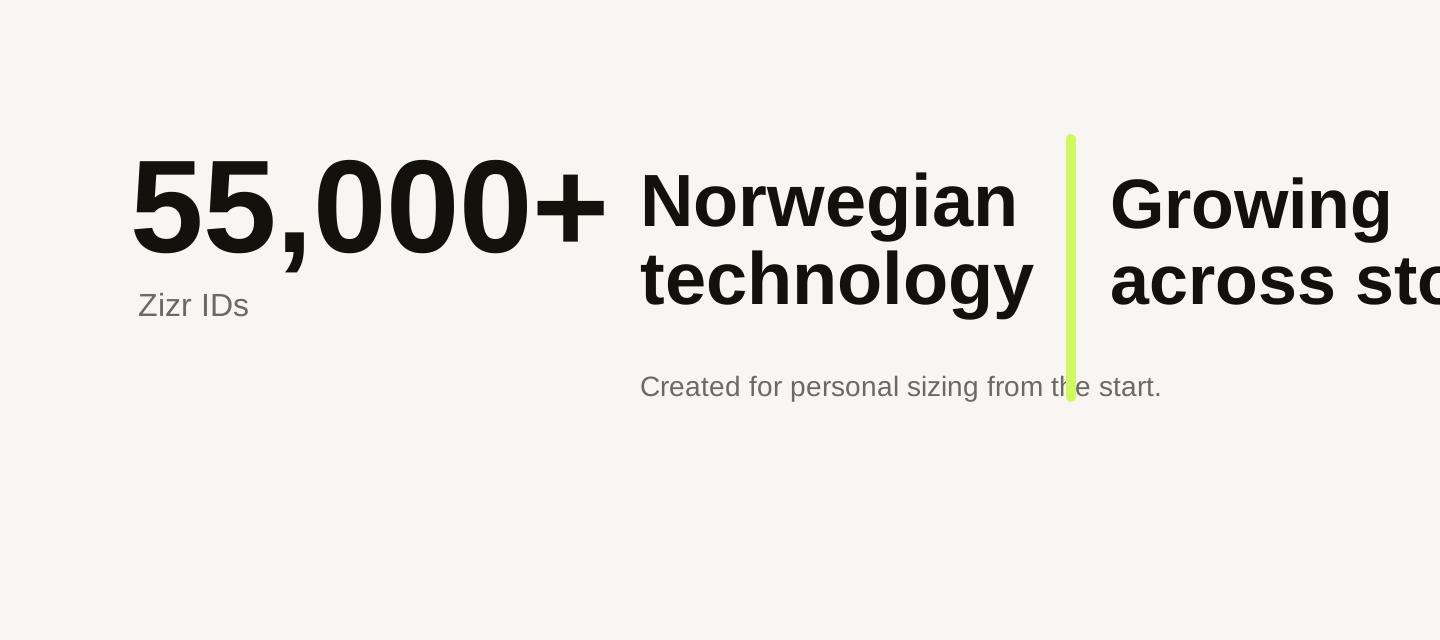
Zizr is Norwegian technology for personal sizing, already used by 55,000+ Zizr IDs and growing across stores.
Created for the moment where size affects the buying decision.
The right size is personal.
Explore Zizr for stores, or create your Zizr-ID and make recommendations more relevant to you over time.
Why personal sizing